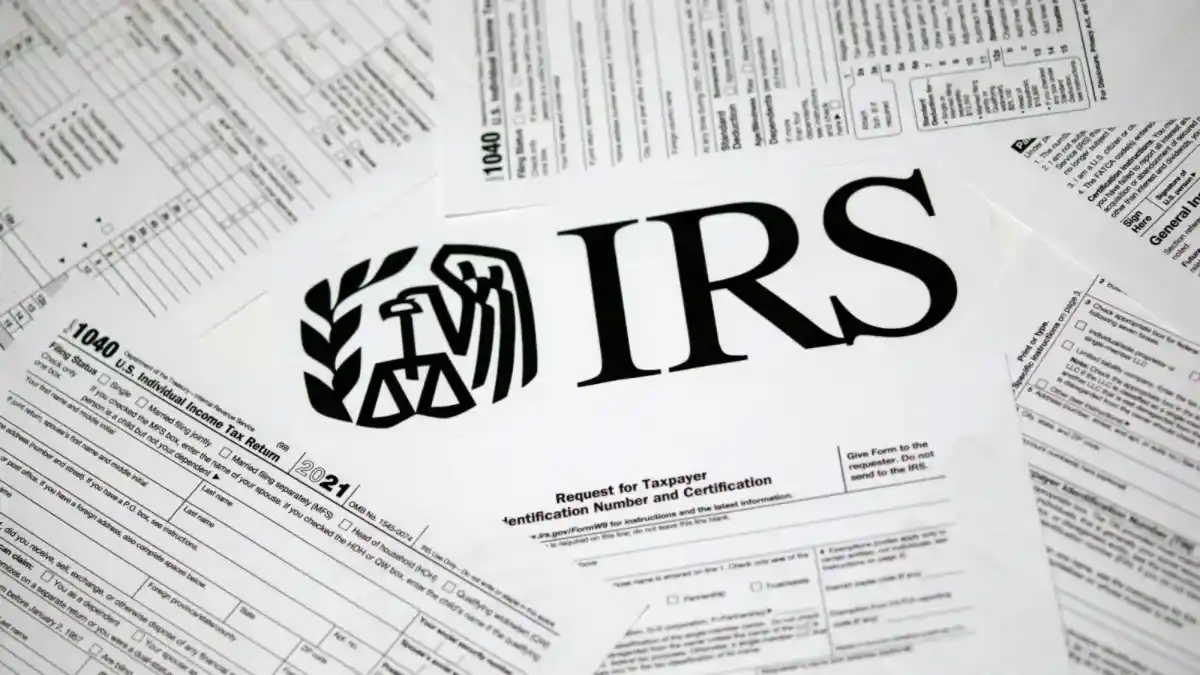
Millions of Americans are officially starting to receive their tax refunds as the Internal Revenue Service begins rolling out payments for the 2026 tax season. With faster digital processing and expanded direct deposit systems, many taxpayers are already seeing refunds hit their bank accounts.
If you’re waiting for your IRS refund, here’s a simple guide to when payments are arriving and how you can easily check your status.
IRS Refund Payments Have Started
The IRS has confirmed that refund processing is now fully underway. Early filers who submitted returns electronically and selected direct deposit are receiving payments first.
Most refunds typically arrive within:
10 to 21 days after return acceptance for e-filers
Longer for paper filers or returns requiring extra review
Payments continue to roll out in waves throughout February and into March.
Who Is Getting Refunds the Fastest
Taxpayers seeing the quickest payments usually:
Filed electronically
Chose direct deposit
Submitted accurate information
Filed early in the season
These steps help avoid processing delays.
How to Check Your IRS Refund Status
The IRS provides official online tools that allow taxpayers to track refunds easily.
To check your status, you will need:
Your Social Security number
Your filing status
The exact refund amount
Once entered, the system shows whether your return is being processed, approved, or sent.
Most electronic filers see updates within 24 hours of acceptance.
Why Some Refunds May Be Delayed
Even though refunds are rolling out faster this year, some may still take longer due to:
Incorrect personal information
Missing income documents
Identity verification checks
Returns claiming certain refundable credits
These reviews help ensure accuracy and protect against fraud.
Direct Deposit Remains the Fastest Option
Direct deposit continues to be the quickest and safest way to receive IRS refunds.
Benefits include:
Faster payments
No risk of lost checks
Quicker processing overall
Taxpayers who use direct deposit often receive refunds weeks earlier than those waiting for mailed checks.
What This Means for American Families
For many households, tax refunds provide important financial relief.
Common uses include:
Paying bills and rent
Covering medical expenses
Reducing debt
Building savings
With refunds now rolling out, families can start planning how to use their money more effectively.
IRS Improvements Speeding Up Payments
The IRS has invested in modern technology to:
Reduce processing backlogs
Improve accuracy
Deliver refunds faster
These upgrades are helping make the 2026 tax season smoother than in previous years.
Final Thoughts
IRS refunds are officially rolling out, bringing welcome relief to millions of Americans.
Most taxpayers who filed electronically and selected direct deposit can expect their refunds within a few weeks, with many already receiving payments.